- A Page From Anna's Book
- Posts
- New year, New Me (but also old me, cause I like her, too)
New year, New Me (but also old me, cause I like her, too)
Why getting out of your comfort zone is a good idea even if it's wildly uncomfortable.

Anna Wenner
January 02, 2026
Getting out of your comfort zone is worth it. It’s also hard as heck.
When I was first starting college, my mom gave me a challenge to do the things that scared me.
Obviously, being the overprotective, sensible mother she was, she didn’t mean “go do a bunch of dangerous stuff and hope for the best.” Instead, she meant to find ways to get out of my comfort zone. She knew me better than anyone else, and she knew that given the option, I’d almost always stay sequestered in my room with a good book.
She pointed out that college was a time for self-discovery, and that I wouldn’t discover anything if I just kept doing what I always did. That the world was vast and beautiful, and that I’d only seen a tiny corner of it in my hometown. That there was so much more to see, and so many new people to meet.
So, I did it. Despite every instinct I had telling me to hide under a blanket until I graduated, I took on her challenge. The first year of college, I chose clubs that I knew would drag me kicking and screaming out of my comfort zone.
I participated in a scavenger hunt race all across the campus with my friends even though I was wildly out of shape. I did Model UN, where I had to collaborate with others, show immense patience, and travel across the country to new places with even more new people. I became a tour guide for KU and learned to walk backwards over massive hills and treacherous sidewalks in all the harshest weather Kansas had to offer. I even ran for Student Senate (and lost badly) just because the idea of self-advocacy and being perceived sounded utterly terrifying.
To be honest, I thought all of this might kill me, and was fully ready to smugly haunt my mother with her bad advice.
Instead, I experienced the worst thing any of us ever will: I found out that my mother was right.
So I kept doing it. Every year of college, sure, but after college, too. When I began my first job, I didn’t let up. I took on projects that scared the crap out of me and pretended to have self-confidence.
I led projects that changed the company’s approach to small things, then much more important ones. I led the creation of some of the first greeting cards in the company’s history that showed people with visible disabilities. A friend and I gave a speech to 2,000 coworkers using memes to explain what it’s like having depression.
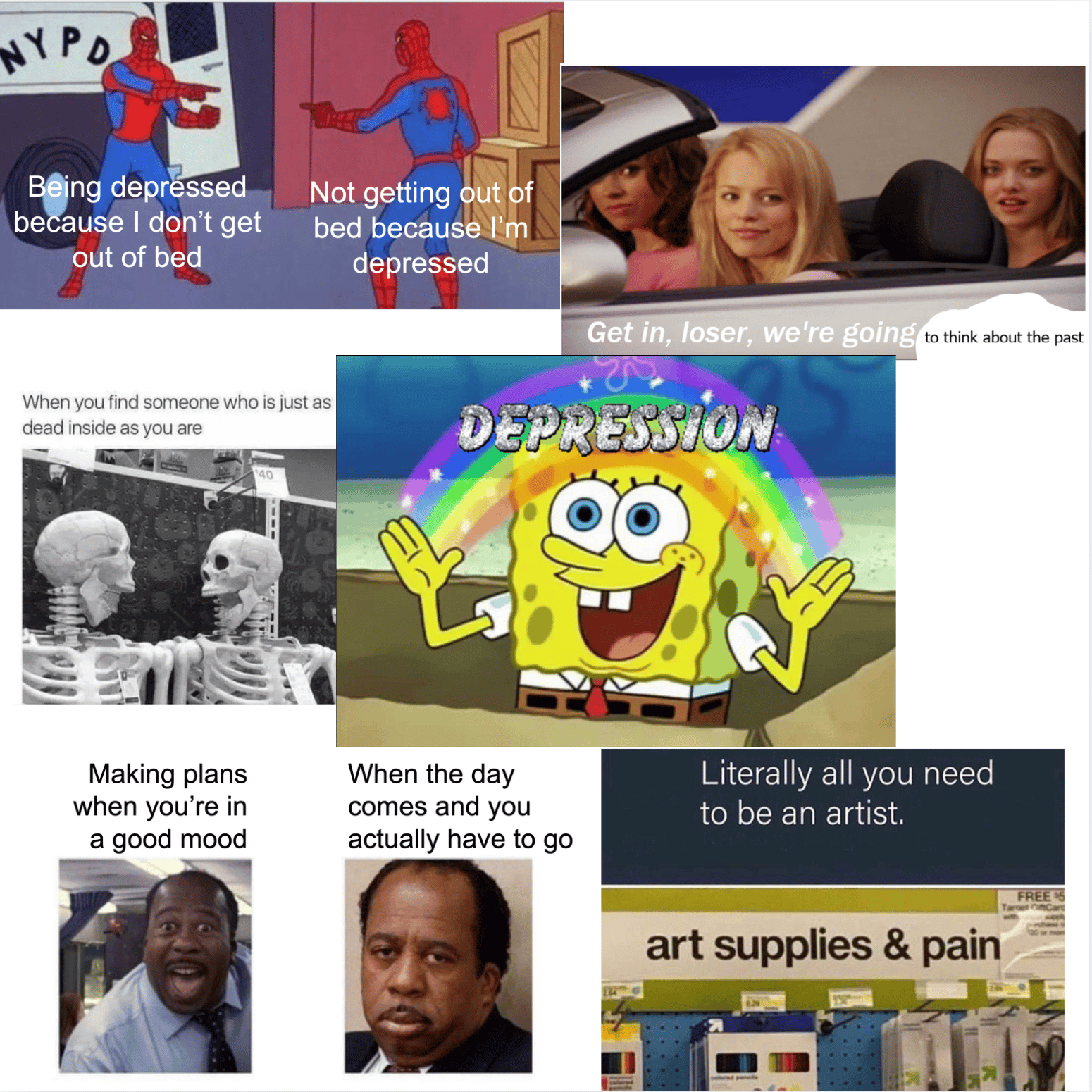
Literally screenshots of our presentation. We had to audition to give this and everything, if you can believe it.
Once, a coworker remarked that she was amazed by how brave I was, and I laughed. I told her about my mother’s challenge.
“Oh, I could never do that,” she said, looking aghast.
I merely shrugged. “That’s what I thought, too.”
Even after my mother died, I didn’t give up her challenge. If anything, I worked at it harder. It was a welcome distraction from grief and the ever-crumbling state of the world around me, and it gave me something to work toward instead of just avoid.
I got promoted at work and had my first report, then got to hire my second. I led my dream card line, and looked back to realize that at one point or another, I’d helped create cards for every line and occasion my company had to offer.
Honestly, I should have left long before I did. I’d outgrown the company, and certainly the way the company sought to force its employees to conform to a neurotypical, cishet, white, suburban culture. I could feel myself getting smaller with every day that passed—of losing all of that incredible growth I’d managed since starting college.
I wish I could say that was why I left, but it wasn’t. The truth is a long thing better suited for a different post, but the TLDR is that leaving was my only choice. A toxic manager and team had destroyed my mental health so thoroughly that I was barely even a person anymore.
So I did the biggest test of my mother’s challenge yet: I quit my job without another lined up.
The idea of doing this was absolutely unthinkable to me for most of my life. Even then, it gave me a fair amount of panic and spiraling.
But you know what? It’s the best decision I could have made.
I wasn’t ready to return to the world of corporate. I had no fake smile to plaster into place or “personal brand” I was up to trying to promote.
For a while, I needed to just be me again.
So I started freelancing, and I found that every day was a day that I had to get out of my comfort zone. Every pitch I sent was another time of pretending my imposter syndrome didn’t exist, and feigning confidence in myself. I emailed editors from publications that I’d been obsessed with since I was a kid, and despite months of rejections—and worse, silence—I finally got a foothold.
Three years later, I’m still freelancing. I’ve written for all of my top dream publications at least once, and that remains absolutely wild to me. I’ve got a literary agent and am on submission with a book to publishers, which feels straight out of a dream.
But I’m also still stepping out of my comfort zone.
This year, for the first time, I’ve been helping develop an app. As someone who cut their teeth at potentially the least digitally savvy company on the planet, it was pretty intimidating to start out. Using apps and knowing how to help create one are totally different things, and my imposter syndrome was back intensely.
However, I found myself working with an incredible team who have been wildly supportive from the start. I have settled back into all the things I loved about creative collaboration, have learned a truly dizzying amount in a few months, and have had an absolute ball in doing so.
I don’t know what 2026 has in store for me, but I do know this: whatever next takes me out of my comfort zone, I’m ready.
After all, my mother hasn’t been wrong yet.
What I’ve been up to lately
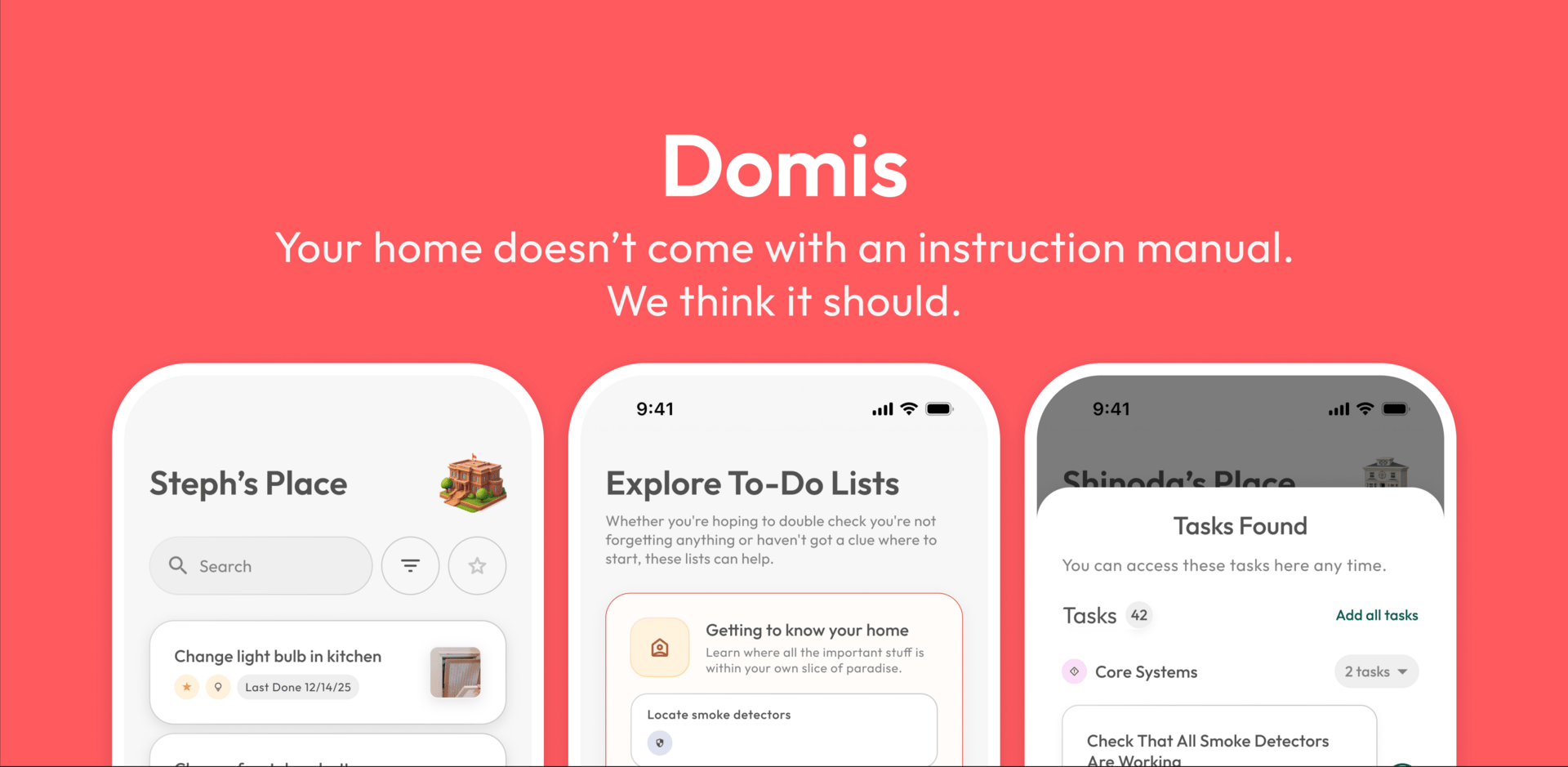
The app I’ve been helping with for the last nine months or so is finally live! It’s called Domis and can be found on both the iOS App Store and Android’s Google Play.
This app was created to help keep track of everything and anything related to your home. You can record the paint color you just bought so you don’t wonder what it was years from now, can keep track of tasks that you need to get done, and can get guidance (from me!) on how to keep your home functioning safely and smoothly.
Though it’s aimed at homeowners primarily, it absolutely can still help those who live in rented spaces as well by keeping an inventory of possessions and tasks that every person should do for the place they live.
The app is free, and we’d love your feedback! Pretty much all of the words are from me at this point so let me know what you think!
One Way You Can Help Someone Today
Spend a few minutes today thinking about ways that you might unintentionally use disabilities as the butt of your jokes. It may feel harmless, but it can have real impact to those who are already struggling to come to terms with a disability (especially one that may be new to them).
For instance, right now there’s a lot of whispers about whether President Trump has incontinence. There’s nothing wrong with criticizing the President of the United States for lying about his medical status, but it shouldn’t come at the cost of everyone who has experienced incontinence.
A third of people over 40 have urinary incontinence, while almost half of women end up with it at some point in their lives. Dealing with incontinence can often feel embarrassing and difficult to talk about, so chances are, someone in your life has it even if they’ve never shared. I’ve led the testing panels for several Wirecutter incontinence articles, so I feel pretty strongly about helping lessen the stigma around it.
Still, this is just one example of many when it comes to those with disabilities. Remember that every time you use a disability as the “funny” part in a joke, someone around you will potentially feel less safe in your presence. You’re not “a little OCD” just because you like order, and you aren’t “ADHD” when you get distracted by something. A joke is only funny when it’s not at the expense of those you care about.

Belated Happy Holidays from Teddy & the whole Wenner crew!
I want to hear from you! Have you heard a term going around that you’d like to know the meaning of? Do you wish you knew more about something I’ve mentioned here? Send me an email, and remember, there are no silly questions.
Anna Wenner is a writer whose work has appeared in The New York Times’ Wirecutter, SUCCESS Magazine, Business Insider, USA Today’s Reviewed, Lovepop, Hallmark, and more. You can learn more about her at her website.
Reply